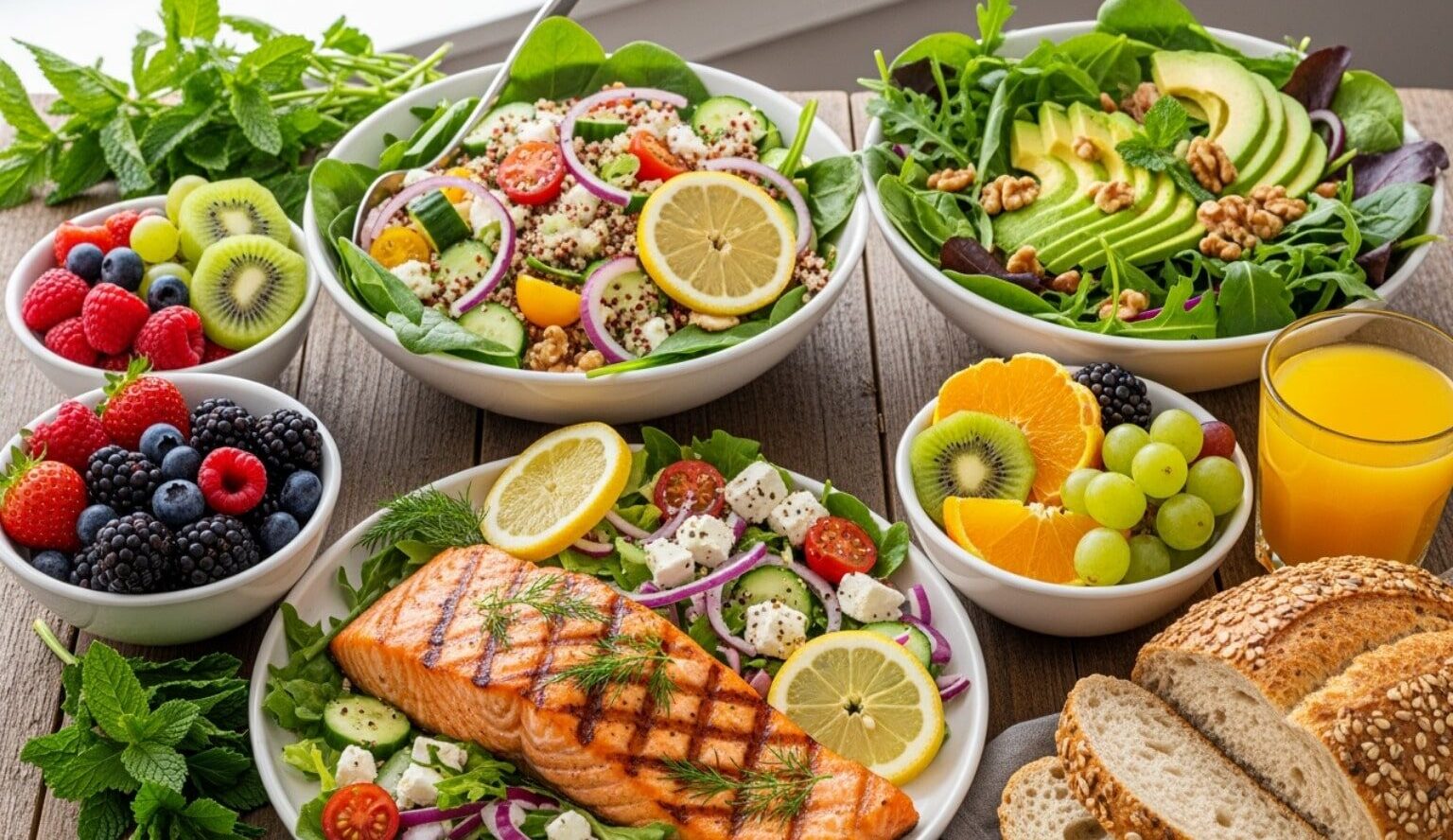
This simple diet presents an uncomplicated approach grounded in fresh animal foods and fresh plant foods while automatically integrating whole‑foods and clean‑eating principles. Because it excludes processed options by design, people naturally follow habits promoted by several mainstream health plans without needing to memorize rules or track macros. This simplicity reduces stress, decision fatigue, and confusion around nutritional trends. By eating freely from meats, eggs, fruits, and vegetables, individuals get nutrient‑dense foods that promote satiety and stable energy. As they continue practicing this simple plan they also avoid hidden sugars and preservatives that can disrupt appetite regulation. This effortless alignment with other popular styles gives the plan an advantage, making healthy eating feel intuitive rather than technical. Consequently, people can adopt strong nutritional habits without feeling burdened by constant choices.
Moreover, this diet allows individuals to enjoy unlimited portions of wholesome foods while still naturally following patterns associated with low‑carb, paleo‑like, and anti‑inflammatory diets. Because it includes no refined flour, seed oils, or synthetic additives, the nutritional quality remains high even without strict guidelines. This structure helps stabilize blood sugar, reduce cravings, and support better digestion. As individuals continue with this diet plan, they discover that the plan removes the mental load of comparing diet trends. Instead, it blends beneficial aspects of many approaches into a single, easy framework. This gives individuals confidence in their eating habits and helps them maintain consistency. Over time, they experience improved well‑being without adopting complex rules or battling the frustration associated with more restrictive programs.
Benefits of Fresh Animal Foods
 Fresh animal foods offer abundant nutrients that support muscle repair, energy production, and hormone regulation, making them an essential component of this simple diet. Their high protein content naturally supports principles found in high‑protein and low‑carb diets, even though individuals are not required to track intake. These foods digest slowly and promote satiety, reducing the likelihood of overeating. Because this simple strategy encourages people to choose fresh, unprocessed meats and eggs, it eliminates many additives linked to inflammation, cravings, and unstable blood sugar levels. This alignment with whole‑food guidelines makes the diet effective without strict discipline. The nutrients in animal foods complement those in fruits and vegetables, creating balanced meals that are satisfying and nourishing without requiring calorie counting.
Additionally, fresh meats and eggs support thermogenesis, helping the body burn more calories during digestion—a benefit often emphasized in fitness‑oriented diets but achieved effortlessly within this plan. Because these foods pair well with nearly all fruits and vegetables, they allow for a wide array of meals that prevent boredom. Their naturally rich nutrient profiles offer iron, zinc, B vitamins, and healthy fats, supporting metabolic function and long-term health. By avoiding processed meats, your diet aligns with clean‑eating and paleo‑style principles. This natural compatibility helps individuals adopt healthier habits even when they are unaware of the nutritional mechanisms behind them. Consequently, this allows people to build a strong, balanced foundation without tracking numbers or restricting portions.
Benefits of Fresh Plant Foods
Fresh fruits and vegetables provide essential fiber, vitamins, minerals, and antioxidants. These strengthen the immune system and support digestion, making them vital. Their fiber content aligns naturally with whole‑food and plant‑forward dietary principles, promoting fullness and stable blood sugar without requiring any formal nutritional knowledge. Because these foods are hydrating and low in calorie density, they allow individuals to eat freely while still maintaining balance. This simple diet encourages variety in plant intake, which enhances nutrient diversity and mirrors recommendations from Mediterranean and clean‑eating approaches. This natural overlap allows individuals to benefit from multiple evidence‑based dietary frameworks without consciously following any of them. Their vibrant colors and flavors also make meals enjoyable, reinforcing consistent, long‑term adherence.
The slow digestion of fruits and vegetables provides steady energy, reducing glucose spikes and crashes that often disrupt mood and focus, a benefit shared with many low‑glycemic and metabolic‑health diets. Because this plan excludes processed carbohydrates, individuals avoid additives that typically increase cravings. Instead, they receive the natural sweetness and nutrition of whole produce. This transition improves digestion and supports clearer thinking. Their versatility allows for countless meal combinations, from raw snacks to hearty cooked dishes, making it easy to stay engaged with the eating plan. As individuals follow this simple diet plan, they naturally embrace principles found in anti‑inflammatory and nutrient‑density diets. This organic alignment enhances long-term results and helps individuals maintain positive eating habits.
Why this is Such a Simple Diet
This diet feels simple because it relies on only two food categories—fresh animal foods and fresh plant foods—while naturally integrating the core guidance of many other successful diets. By eliminating processed options, individuals avoid the decision fatigue associated with reading labels, calculating macronutrients, or identifying hidden sugars. This straightforward structure mirrors the foundational philosophy behind whole‑food and clean‑eating plans, but with fewer rules. As individuals follow this easy plan, natural appetite regulation emerges because these foods promote consistent satiety. People no longer battle engineered cravings created by processed snacks. This simplicity creates confidence and makes the diet feel intuitive. The ease of choosing foods reduces stress and allows individuals to maintain healthy patterns effortlessly.
 Furthermore, this simple diet restores a natural relationship with hunger cues by eliminating numerical tracking and rigid portion sizes. People eat when hungry and stop when satisfied, a principle shared with intuitive eating frameworks but easier to apply because food categories are clear. Without needing to measure or calculate, individuals maintain balanced meals aligned with paleo‑style and low‑carb ideals without realizing it. This adaptability accommodates personal preferences, making the plan suitable for people with varied lifestyles and cultural backgrounds. Because satisfaction remains high, adherence becomes effortless. It also supports long-term habit formation by removing the psychological burden of complex rules, helping individuals sustainable and enjoyable approach to daily nourishment.
How to Implement this Simple Diet
To implement this easy plan, individuals begin by stocking their kitchens with fresh meats, eggs, fruits, and vegetables while removing processed foods. This preparation automatically aligns their environment with whole‑food living, low‑carb principles, and clean‑eating guidelines without requiring conscious memorization. Once the kitchen is prepared, individuals build meals by combining animal foods and plant foods in roughly equal proportions. As they practice such a simple strategy, they discover that hunger becomes easier to interpret because these foods provide stable energy. There is no need to track calories or restrict portions. This approach encourages natural appetite cues to re‑emerge, strengthening long-term consistency. The plan quickly becomes routine, making healthy eating effortless and sustainable.
Variety plays a supportive role, so rotating proteins and produce helps individuals receive a broader range of nutrients while following this simple diet plan. This pattern aligns with nutrient‑diversity recommendations found in Mediterranean‑style and functional‑nutrition diets, yet requires no detailed planning. Cooking methods remain simple: grilling, steaming, roasting, or eating raw are all suitable options. Because this diet limits processed carbohydrates and artificial additives, individuals experience fewer cravings and more stable energy. They simply respond to hunger by choosing from wholesome options, reducing reliance on willpower. Over time, meal preparation becomes faster and more intuitive. This seamless integration makes this a sustainable lifestyle rather than a temporary intervention, supporting long-term well‑being.
Expected Results Over Time
As individuals follow this super easy plan, they often notice early improvements in digestion, mood stability, and energy levels because the plan automatically incorporates principles from anti‑inflammatory, low‑carb, and whole‑food diets. Blood sugar stabilizes as processed carbohydrates are removed, helping reduce cravings and energy crashes. Because individuals eat freely, adherence remains high without feelings of deprivation. Over several weeks, many people report more restful sleep and clearer thinking. As months pass, body composition may shift naturally toward increased muscle efficiency and reduced fat mass, even though it does not require calorie restriction. These gradual, sustainable results feel more natural than those produced by restrictive approaches.
Long‑term followers often develop a healthier relationship with food, reflecting intuitive‑eating benefits that emerge naturally. Eating wholesome, filling foods reduces emotional eating and enhances satiety signals. Consistent nutrient intake supports improved immunity, hormonal balance, and cognitive performance. As individuals experiment with different combinations of meats, eggs, fruits, and vegetables, they expand their palate and increase their nutritional variety. This evolution mirrors the flexibility found in balanced lifestyle diets, but without the accompanying complexity. These improvements reinforce adherence, making it feel more like a permanent lifestyle than a temporary plan. Consequently, individuals experience lasting health benefits rooted in simple, consistent choices.
Final Thoughts on this Easy, Simple Diet
 Ultimately, this easy-to-follow, incrediblty simple diet plan succeeds because it naturally merges the best elements of several popular dietary styles into one simple structure centered on fresh animal foods and fresh plant foods. Without counting, weighing, or restricting portions, individuals still benefit from principles behind whole‑foods diets, low‑carb approaches, and anti‑inflammatory eating. This synergy provides steady energy, reliable satiety, and strong nutritional coverage. Over time, individuals find that the easiest diet aligns with their natural rhythms, making healthy eating effortless. Its flexibility allows people to enjoy culturally familiar foods without compromising nutritional quality. This diet can even work for kids, as long as these are the types of foods available to them at home. This adaptability encourages long-term success and offers a refreshing alternative to rule-heavy diet plans.
In the end, the power of this strategy lies in its simplicity and sustainability. By focusing on whole, fresh ingredients, individuals nurture their bodies without relying on strict rules or constant willpower. This pattern mirrors the beneficial habits encouraged by numerous evidence‑based eating plans, yet it remains far easier to practice daily. As individuals follow this plan, they develop stronger intuition, more consistent energy, and a healthier mindset around food. The plan’s practicality and built‑in alignment with proven nutritional principles make it one of the most accessible and effective long‑term approaches to wellness.