Many college students and adults start diets with motivation, yet they often feel defeated when constant cravings appear. These sensations do not signal personal weakness; instead, they reflect predictable biological responses to energy restriction. When calories drop too quickly or meals lack balance, the body increases appetite hormones and heightens food focus. As a result, hunger pangs can feel urgent, distracting, and emotionally draining. Moreover, modern diet culture encourages willpower over physiology, which leads people to ignore how metabolism actually works. However, science shows that appetite responds to food quality, timing, sleep, and stress. Therefore, understanding these drivers allows dieters to work with their bodies rather than against them. In this article, you will learn seven evidence-based strategies that reduce constant hunger while supporting fat loss. Each method emphasizes practical steps, so you can apply them immediately and eat with confidence instead of frustration.
Before exploring solutions, it helps to clarify why dieting so often amplifies appetite. When you cut calories, the body perceives a threat to energy availability and responds by increasing ghrelin, the primary hunger hormone. Simultaneously, leptin, which signals fullness, declines. Consequently, hunger pangs intensify even when body fat remains plentiful. In addition, restrictive diets often eliminate entire food groups, reducing fiber, protein, or fat intake. These nutrients normally slow digestion and stabilize blood sugar. Without them, meals digest quickly and trigger rapid hunger rebound. Furthermore, psychological restriction increases preoccupation with food, making appetite feel stronger than it is. Therefore, successful dieting requires strategic nourishment rather than constant restraint. By applying the following science-backed fixes, you can calm appetite signals, preserve metabolic health, and maintain consistency over the long term.
Fix 1: Prioritize Protein to Tame hunger pangs
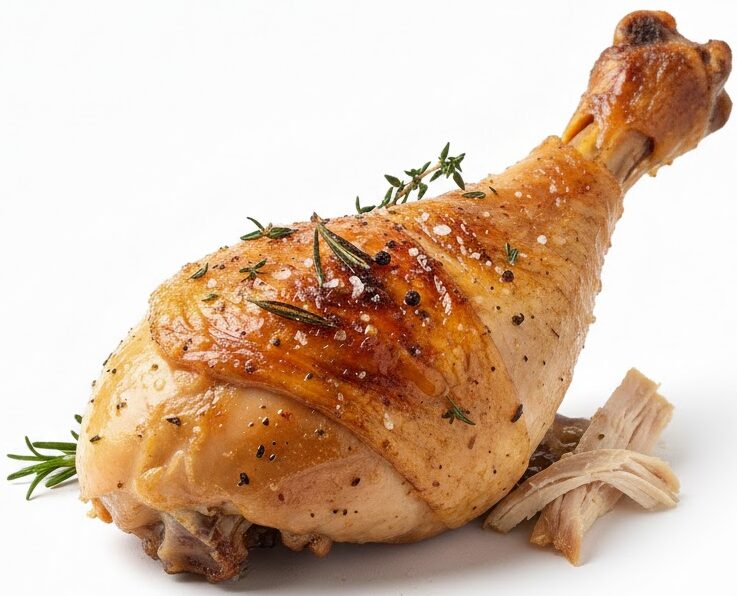 Protein stands as the most powerful macronutrient for appetite control because it directly affects satiety hormones. When you eat adequate protein, your body releases peptide YY and GLP‑1, which promote fullness and delay stomach emptying. As a result, hunger pangs decline between meals. Research consistently shows that higher-protein diets reduce overall calorie intake without conscious restriction. To implement this strategy, aim for 25–35 grams of protein per meal. Choose lean meats, eggs, Greek yogurt, tofu, tempeh, or legumes depending on your preferences. Additionally, distribute protein evenly across meals rather than saving it for dinner. This approach stabilizes appetite throughout the day. By prioritizing protein first when planning meals, you create a physiological buffer against excessive hunger that makes dieting feel sustainable instead of punishing.
Implementation matters as much as quantity, so preparation becomes essential. Start by identifying protein anchors for each meal and snack. For example, add eggs or cottage cheese at breakfast, chicken or beans at lunch, and fish or tofu at dinner. When hunger pangs strike unexpectedly, protein-rich snacks such as jerky, protein shakes, or edamame provide rapid relief. Moreover, consuming protein earlier in the day improves appetite control later, according to circadian research. Therefore, avoid skipping breakfast if you struggle with evening overeating. Finally, track protein intake for one week to build awareness, not obsession. Once you consistently meet targets, appetite regulation becomes more automatic, reducing the mental effort required to stay on plan.
Fix 2: Build Fiber-Rich Plates for Lasting Fullness
Dietary fiber plays a crucial role in controlling appetite because it adds bulk without adding calories. Soluble fiber absorbs water and forms a gel-like substance that slows digestion and nutrient absorption. Consequently, hunger pangs appear later and less intensely. Vegetables, fruits, legumes, and whole grains supply fiber along with micronutrients that support metabolic health. To apply this fix, aim for at least 25–38 grams of fiber daily, depending on sex and body size. Build meals around vegetables first, filling half your plate with non-starchy options like broccoli, spinach, peppers, or zucchini. Then add legumes or whole grains such as lentils, oats, or quinoa. This structure increases meal volume and satisfaction while maintaining a calorie deficit. Over time, consistent fiber intake trains your body to expect slower digestion.
However, increasing fiber requires gradual adjustments to avoid discomfort. Start by adding one high-fiber food per meal and increase water intake simultaneously. This combination prevents bloating and supports digestion. When hunger pangs emerge between meals, choose fiber-rich snacks like apples with skin, carrots with hummus, or chia pudding. Additionally, prioritize whole foods over refined products labeled “high fiber,” which often lack volume and chew time. Chewing itself enhances satiety signals, so eat slowly and mindfully. Moreover, cooking methods matter; lightly steaming vegetables preserves fiber while improving palatability. By planning fiber intentionally rather than incidentally, you transform meals into lasting sources of fullness. This approach reduces the need for constant snacking and helps maintain energy levels during dieting.
Fix 3: Balance Fats to Quiet hunger pangs
Dietary fat often receives blame during weight loss, yet it plays an essential role in satiety. Fats slow gastric emptying and enhance flavor, which increases meal satisfaction. When meals lack fat, hunger pangs can return quickly despite adequate calories. To implement this fix, include moderate portions of unsaturated fats such as olive oil, avocado, nuts, seeds, and fatty fish. Aim for one to two tablespoons of oil or a small handful of nuts per meal. This amount supports fullness without excess calories. Furthermore, combining fat with protein and fiber creates a synergistic effect on appetite hormones. Instead of avoiding fat, measure it intentionally and integrate it into balanced meals. This strategy improves adherence by making food enjoyable and physiologically satisfying.
 Quality and context determine whether fat helps or hinders dieting success. Focus on whole-food fat sources rather than ultra-processed options like fried snacks or pastries. These foods combine fat with refined carbohydrates, which can worsen hunger pangs later. Additionally, avoid “fat-free” products that replace fat with sugar or thickeners, as they digest rapidly and reduce satiety. When cooking, use fats to enhance vegetables and proteins, not as the primary calorie source. For example, roast vegetables with olive oil or add tahini to salads. Moreover, pay attention to portion awareness by plating fats instead of pouring freely. By respecting fat’s role rather than fearing it, you create meals that feel complete and reduce the urge to keep eating.
Fix 4: Hydration and Electrolytes Matter More Than You Think
Dehydration frequently masquerades as appetite, leading dieters to eat when they actually need fluids. Even mild fluid deficits can increase perceived hunger, making hunger pangs feel confusing and persistent. To implement this fix, drink water consistently throughout the day rather than chugging large amounts at once. Aim for pale yellow urine as a practical hydration marker. Additionally, include fluids with meals, such as soups or water-rich foods like cucumbers and berries. These options increase stomach volume and enhance fullness. For active individuals or those eating low-carbohydrate diets, electrolytes become especially important. Sodium, potassium, and magnesium support fluid balance and nerve signaling. Without them, fatigue and appetite can increase. Therefore, consider lightly salting meals or using unsweetened electrolyte mixes when appropriate.
However, hydration works best when paired with awareness rather than rigid rules. Begin by drinking a glass of water before meals and snacks, then reassess appetite after ten minutes. Often, hunger pangs diminish once hydration improves. Avoid relying solely on caffeinated beverages, as excessive caffeine can suppress appetite briefly but worsen rebound hunger later. Herbal teas and sparkling water offer variety without added calories. Furthermore, pay attention to thirst cues during long study sessions or workouts, when distraction masks dehydration. By building hydration habits into daily routines, you reduce false hunger signals and support digestion. Over time, this simple strategy improves appetite accuracy, allowing you to respond to genuine nutritional needs instead of misinterpreted signals.
Fix 5: Sleep and Stress to Reduce hunger pangs
Sleep deprivation powerfully disrupts appetite regulation by altering hunger hormones. When you sleep less than seven hours, ghrelin increases while leptin decreases, creating a perfect storm for hunger pangs. As a result, cravings intensify, especially for high-calorie foods. To implement this fix, establish a consistent sleep schedule, even on weekends. Aim for seven to nine hours per night and create a wind-down routine that limits screens and bright light before bed. Additionally, ensure your sleeping environment remains cool, dark, and quiet. Stress management also matters because chronic stress elevates cortisol, which stimulates appetite and fat storage. Incorporate relaxation practices such as deep breathing, stretching, or brief meditation to reduce physiological stress responses.
Practical stress reduction can fit into busy academic or professional schedules. Start with five-minute breathing breaks between tasks or classes. These short pauses lower cortisol and reduce hunger pangs driven by emotional tension. Physical activity also improves sleep quality and stress resilience, even when sessions remain brief. A 20-minute walk or resistance workout can significantly improve appetite regulation. Moreover, avoid late-night studying with sugary snacks, which disrupt sleep and blood sugar. Instead, choose protein-rich options if needed. By treating sleep and stress as foundational components of dieting, you address hunger at its hormonal roots. This approach enhances self-control naturally, making dietary consistency far more achievable.
Fix 6: Optimize Meal Timing and Food Volume
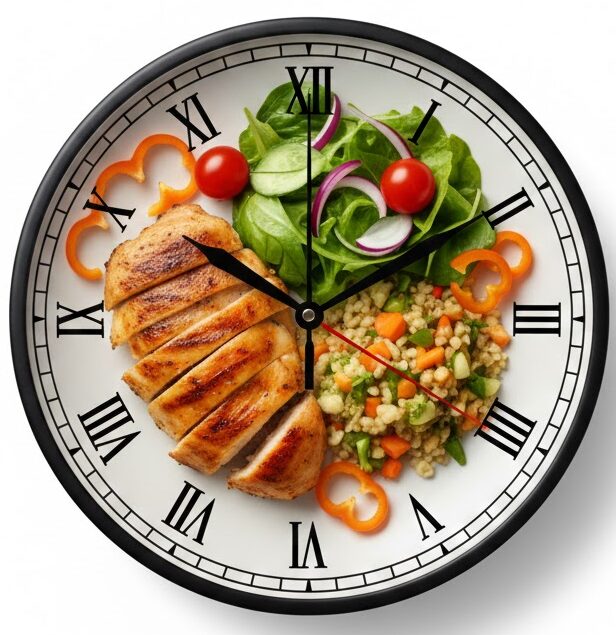 Meal timing influences appetite rhythms and energy levels throughout the day. Skipping meals often backfires by increasing hunger intensity later, leading to overeating. Consequently, hunger pangs become harder to manage. To apply this fix, eat meals at regular intervals, typically every three to five hours. This pattern stabilizes blood sugar and prevents extreme hunger. Additionally, focus on food volume by choosing low-calorie-density foods. Large portions of vegetables, soups, and salads provide physical fullness with minimal calories. Start meals with these items to reduce overall intake naturally. By planning meals in advance, you remove decision fatigue and reduce impulsive eating. Consistent timing and high-volume foods work together to create predictable appetite control.
Implementation requires aligning meal schedules with daily routines. Identify times when hunger typically peaks and plan balanced meals or snacks before that point. When hunger pangs arise, ask whether enough volume was included earlier. If not, adjust future meals by adding vegetables or broth-based soups. Additionally, slow eating enhances volume effects because satiety signals need time to register. Put utensils down between bites and chew thoroughly. For those experimenting with intermittent fasting, ensure eating windows include sufficient protein and fiber to prevent rebound hunger. Ultimately, optimal meal timing varies by individual, but consistency remains key. When your body trusts regular nourishment, appetite signals become calmer and easier to interpret.
Fix 7: Choose Smart Carbs for Glycemic Stability
Carbohydrates strongly influence blood sugar, which in turn affects appetite. Refined carbohydrates digest quickly, causing rapid spikes and crashes that trigger hunger pangs soon after eating. To implement this fix, prioritize low-glycemic carbohydrates such as oats, brown rice, sweet potatoes, beans, and whole fruits. Pair carbohydrates with protein and fat to slow absorption and maintain stable energy. Aim to include carbohydrates intentionally rather than eliminating them entirely, as restriction often increases cravings. Portion awareness matters, so measure servings initially to learn appropriate amounts. By choosing smart carbohydrates, you support steady glucose levels that reduce sudden hunger and improve cognitive performance during studying or work.
Reading labels and understanding food combinations strengthens this strategy. Look for products with at least three grams of fiber per serving and minimal added sugars. When hunger pangs appear after carbohydrate-heavy meals, evaluate whether protein or fat was missing. Adjust future meals accordingly by adding yogurt, nuts, or lean meats. Additionally, time higher-carbohydrate meals around physical activity, when muscles use glucose efficiently. This timing reduces blood sugar swings and enhances satiety. Avoid drinking carbohydrates, such as juices or sweetened beverages, which bypass fullness mechanisms. Over time, smart carbohydrate choices retrain your metabolism to expect steady fuel, making dieting feel balanced rather than restrictive.
By applying these seven science-backed fixes consistently, you can silence appetite signals without relying on willpower alone. Each strategy targets a different biological pathway, and together they create a sustainable, satisfying approach to dieting.