In the United States, celebrations rarely start with a question about meaning; instead, they start with a menu. Over time, manufacturers, advertisers, and even schools taught us to mark joy with packaged sweets because they are cheap, portable, and instantly recognizable. As a result, the birthday table, the office breakroom, and the holiday aisle all look strangely similar. This is not simply personal weakness; it is a system that rewards convenience and profit. When a ritual repeats for decades, it feels inevitable, and the sugar culture becomes the unspoken script. Moreover, social media amplifies the script by rewarding photogenic desserts over quieter forms of connection. Consequently, many families inherit the pattern without ever choosing it. Therefore, our celebrations can accidentally train children to expect sweetness as the price of belonging, even when the event itself would satisfy without extra calories at all.
To understand why this pattern persists, consider how quickly food became a stand-in for affection. Parents with limited time can buy cupcakes faster than they can plan a shared activity, and hosts can serve soda more easily than they can facilitate conversation. In addition, public spaces often allow only prepackaged snacks, so communities default to what is permitted. The market then interprets the habit as demand and floods shelves with seasonal candy in ever-new shapes. Meanwhile, we learn to equate “special” with “sweet,” so a fruit platter looks like deprivation. Within this loop, the sugar culture functions like a social shortcut: it signals generosity without requiring closeness. However, shortcuts carry costs, especially when they become daily expectations rather than occasional treats. Therefore, any nutrition argument must also examine the social rules that push people toward the same processed options repeatedly in public.
Birthdays: When a Milestone Means Frosting
 Birthdays illustrate the problem because the script begins early. A child’s party often centers on a towering cake, frosting-laden cupcakes, and a piñata filled with candy, even when the kids mainly want to run and be seen. Consequently, parents feel pressure to “make it special” by adding more sugar than the last party on Instagram. When children learn that candles and sweetness are inseparable, they may later chase the same sensation during stress. The sugar culture shows up here as education: it teaches taste preferences, portion norms, and emotional associations before kids can critique them. Moreover, many schools reinforce the lesson by allowing class treats but limiting active play for safety or liability. Therefore, the sweetest part of the day can become the most reliable attention. In turn, families normalize sugar spikes, and kids rarely practice celebrating with crafts, games, or service.
Adults repeat the birthday pattern, although the stakes change. Instead of a single slice of cake, we add specialty cocktails, oversized restaurant desserts, and late-night fast food “because it’s my day.” However, indulgence becomes a default rather than a choice when coworkers bring donuts, relatives bring pie, and friends insist on “one more” round. Moreover, many people tie refusing sweets to appearing ungrateful, so they eat past comfort to protect relationships. The sugar culture thrives on that politeness, because it turns social friction into calories. Meanwhile, the food industry offers “birthday freebies” that require app downloads, which further gamifies eating. Therefore, celebrating can quietly resemble a marketing funnel, and health becomes collateral damage. In addition, those perks often push ultra-processed portions that dwarf homemade recipes, so the tradition shifts from family baking to corporate portion control over time for many people today.
Holidays and the Sugar Culture Calendar
From October through April, American holidays form a conveyor belt of sweets. Halloween invites candy by the bucket; Thanksgiving ends with pie; December piles on cookies, cocoa, and candy canes; Valentine’s Day sells chocolate as romance; Easter wraps marshmallows in pastel. Consequently, families spend months in “exception mode,” even though the calendar leaves little room for ordinary eating. The sugar culture is not just present; it sets the pacing of the season, telling us when to stock up and when to binge. Moreover, advertisers manufacture urgency by limiting flavors to a brief window, so people buy extra “before it’s gone.” Nevertheless, many holiday moments—storytelling, music, worship, gratitude—do not require dessert at all. Therefore, the tradition can expand beyond food without shrinking the celebration. For example, neighbors can trade songs, books, or handmade ornaments, and children can hunt for clues rather than candy.
Yet holiday sweets carry moral language that makes change hard. We call cookies “tradition,” we label candy “nostalgia,” and we describe soda as “the taste of Christmas.” As a result, questioning the menu can feel like attacking family history. In addition, many people travel long distances, so hosts rely on processed snacks that resist spoilage and satisfy picky guests quickly. The sugar culture gains protection from that logistical reality, because it promises predictable pleasure when schedules feel chaotic. However, predictability can dull awareness: we stop tasting, keep grazing, and wake up feeling sluggish, not festive. Meanwhile, children watch adults use dessert as a coping tool for stress, grief, or loneliness during the season. Therefore, health-minded choices must honor the emotion while changing the default fuel. For instance, plan a signature savory dish, schedule a walk, and make sweets optional rather than central.
Schools, Sports, and Fundraisers: Treats as Currency
Outside the home, institutions reinforce the same reward system. Schools sell cookie dough to raise money, teams hand out candy after games, and clubs promise pizza parties for attendance. Consequently, children link achievement with ultra-processed food rather than rest, pride, or skill. In addition, tight budgets push organizations toward items with high margins and long shelf lives, so sugary brands become the easiest sponsor. The sugar culture operates here as infrastructure: it funds activities while shaping taste and habits. Moreover, vending machines and concession stands dominate many campuses, so healthier choices feel like exceptions. However, when adults model food as a prize, students may struggle to interpret hunger and satisfaction cues. Therefore, reform requires new funding models and new symbols of appreciation. For example, schools can sell plants, host read-a-thons, or partner with local businesses to donate cash instead of sweets directly.
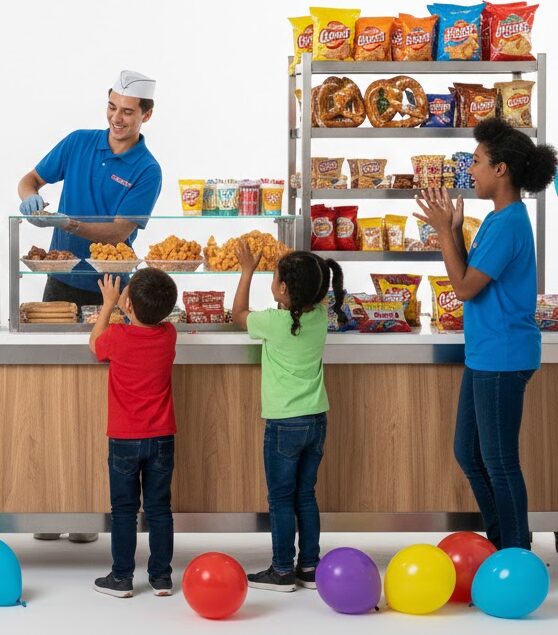 Sports culture adds another layer because it pairs exertion with indulgence. After a hard practice, athletes often stop for burgers, fries, and milkshakes, and parents call it “refueling.” However, most youth sports do not burn enough calories to justify constant fast-food feasts, especially for kids who also sit in class all day. Moreover, tournaments run on tight schedules, so families rely on concession nachos and energy drinks as portable options. The sugar culture capitalizes on that time pressure by selling “performance” snacks that spike blood sugar and then crash it. Meanwhile, kids learn to treat nutrition as an afterthought rather than a part of training. Therefore, teams can normalize water, fruit, and hearty sandwiches as the default post-game spread. In addition, coaches can schedule a brief cooldown and snack check, so athletes associate recovery with balanced eating and hydration from the start.
Faith, Community, and the Sugar Culture Potluck
Community gatherings often aim for warmth, yet they frequently lean on sweets to create it. At church socials, youth nights, and volunteer meetings, cookies and punch appear as the safest option for mixed ages and tastes. Consequently, the table becomes a centerpiece, and participation starts to mean eating what others brought. The sugar culture blends with hospitality norms, because refusing a dessert can seem like refusing a person. Moreover, potlucks reward the showiest dish, and sugar delivers instant praise through taste and presentation. However, community life also offers powerful alternatives: shared projects, mentorship, and mutual aid. Therefore, groups can keep food on the table while shifting it toward savory casseroles, fruit, and beverage choices that do not rely on sweetness as the main signal of care. For example, rotate theme meals, highlight recipes, and invite members to lead short games or discussions.
Because these gatherings repeat weekly, small choices compound. If every committee meeting includes brownies, participants can consume hundreds of extra calories before they even reach dinner. In addition, people who already feel isolated may attend primarily for the food, so sugary offerings become a form of social glue. The sugar culture then masks deeper needs, such as companionship, recognition, or spiritual renewal. However, when leaders name the pattern respectfully, members often feel relieved rather than judged. Moreover, replacing one tray of cookies with nuts, cheese, or a veggie platter still communicates generosity, but it supports steadier energy for conversation and service. Therefore, communities can treat nourishment as part of stewardship, aligning their values with their snacks. Meanwhile, children watching adults choose balance can internalize a different normal. In turn, the group’s mission feels less like a burden and more like a practice.
Workplaces: Donuts, Pizza, and “Team Building”
Workplaces may be the most consistent setting for celebratory junk food. Colleagues bring donuts to show gratitude, managers order pizza for deadlines, and breakrooms fill with candy bowls meant to boost morale. Consequently, adults who try to eat well face constant micro-decisions, and fatigue makes the easiest choice the sweetest one. Moreover, office layouts place snacks in high-traffic areas, so grazing becomes unconscious. The sugar culture benefits from that environment by turning routine stress into routine snacking. However, the same teams could bond over nonfood rituals: walking meetings, recognition notes, or flexible time. In addition, companies can subsidize fruit, sparkling water, and balanced catered meals instead of defaulting to pastries. Therefore, wellness initiatives should focus less on lectures and more on changing what appears on the table. For example, celebrate launches with lunch and a toast, then send people home early afterward.
Even when employers offer “healthy options,” the social meaning often stays the same. A tray of mini-muffins still signals care, while a bowl of apples can look like an afterthought. Therefore, leaders must rename the gesture: they can say, “We’re celebrating with food that helps us feel good later.” In addition, clear norms reduce awkwardness for people with diabetes, eating disorders, or dietary restrictions who feel singled out by sweets. The sugar culture survives partly because it hides under the label of kindness, and few people want to reject kindness. However, kindness can also mean protecting colleagues from daily spikes and crashes that harm focus. Moreover, when offices provide protein, fiber, and water, meetings run better and moods stabilize. Consequently, shifting the menu becomes a productivity strategy, not a moral crusade. Over time, employees stop expecting dessert as payment and start expecting respect.
Health Costs of the Sugar Culture Ritual
 The health consequences of constant celebratory junk food go beyond weight gain. Repeated surges of added sugar can worsen insulin resistance, elevate triglycerides, and increase risk for fatty liver disease, even in people who look thin. Moreover, high-sugar diets displace fiber, vitamins, and protein that support immune function and mental health. The sugar culture also interacts with sleep: late-night treats and caffeine-heavy sodas can disrupt circadian rhythms, which then drives cravings the next day. Consequently, many Americans live in a loop of fatigue and snack-seeking that feels normal. However, the body tracks patterns, not intentions, so “only on special occasions” matters less when occasions happen weekly. Therefore, public health messaging should treat celebration frequency as a dietary factor, not just personal willpower. In addition, dental decay, migraines, and mood swings often rise when communities rely on desserts as their main festive marker.
Social costs matter too, because food norms shape who feels welcome. When every gathering revolves around cupcakes or soda, people with allergies, celiac disease, or religious restrictions may sit on the margins. In addition, those in recovery from binge eating or those managing diabetes must either explain themselves or pretend they are fine. The sugar culture can therefore create subtle exclusion, even when hosts intend generosity. Moreover, families with limited income often spend money on branded treats to avoid embarrassment, which transfers wealth upward to corporations. However, communities could honor differences by offering varied foods and by emphasizing the event’s purpose—service, memory, or connection—over the dessert table. Consequently, inclusion improves when the default becomes “there’s something for everyone,” rather than “everyone eats the same sweet.” Therefore, changing food norms can strengthen community ties. Ultimately, health and belonging do not have to compete.
Rewriting Traditions Without Losing Joy
Replacing junk food at celebrations does not mean replacing pleasure with punishment. First, hosts can keep a small dessert but shrink its role by serving it after a satisfying meal, not as the main attraction. Next, they can add rituals that do not involve eating, such as gratitude circles, toasts, photo boards, or cooperative games. The sugar culture loses power when joy comes from attention, movement, and story rather than from a frosting rush. Moreover, planning ahead helps: if fruit, yogurt, popcorn, or charcuterie is ready, guests do not panic-buy cookies. However, change works best when it feels abundant, not restrictive, so offer multiple appealing options. Therefore, aim for “and” rather than “instead”: cake and fresh berries, candy and a scavenger hunt, pie and a family walk. In addition, model language that praises presence and effort, so food stops carrying the load.
Long-term change also depends on policy and design, not just personal discipline. For example, cities can support farmers markets near schools, and community centers can provide kitchens that make real meals easier to share. In addition, health departments can partner with event organizers to set default beverage options like water and unsweetened tea. The sugar culture thrives when the environment nudges people toward the cheapest calories, so shifting defaults matters. Moreover, families can create “celebration budgets” that prioritize experiences—museum trips, game nights, or donations—over edible souvenirs. However, reforms should avoid shame; people celebrate with sweets because they want comfort and connection. Consequently, the goal is not purity but balance: fewer automatic treats, smaller portions, and more intentional moments. Therefore, Americans can keep their traditions while building a healthier relationship between joy and food. Over time, that shift can redefine what “special” means.