To escape repeated weight regain, you must first understand why the Yo Yo Diet cycle persists despite good intentions. Many people begin with aggressive calorie cuts, rigid food rules, and unrealistic timelines. As a result, the body responds by lowering metabolic rate and increasing hunger hormones. Consequently, adherence becomes harder over time, not easier. When motivation fades, old habits quickly return, often paired with guilt and overeating. Therefore, the cycle reinforces itself both biologically and psychologically. The Yo Yo Diet thrives on short-term thinking rather than long-term systems. Instead of blaming willpower, you should analyze triggers, such as stress, social pressure, and sleep deprivation. By identifying these drivers early, you can design strategies that support consistency. This awareness phase matters because sustainable change begins with accurate diagnosis, not punishment or restriction-based plans.
Moreover, understanding emotional patterns helps interrupt the Yo Yo Diet before it restarts. Many dieters associate food with comfort, reward, or control, which intensifies during periods of restriction. When rules break, all-or-nothing thinking often follows. Therefore, you should practice reflective tracking, noting moods, hunger levels, and contexts rather than just calories. This data-driven reflection builds insight without judgment. Additionally, learning how weight naturally fluctuates due to water, sodium, and hormones reduces panic responses. When you normalize these shifts, you avoid drastic reactions. Importantly, education replaces fear with clarity. You stop reacting impulsively and start responding strategically. Over time, this mindset shift reduces urgency and creates patience. As a result, you lay a cognitive foundation strong enough to support lasting behavioral change instead of repeating the same ineffective cycle.
Building a Sustainable Calorie Framework
 Once awareness improves, you can build a calorie framework that prevents relapse into the Yo Yo Diet pattern. Start by estimating maintenance calories using body weight, activity level, and age, then reduce intake by only 10 to 15 percent. This moderate deficit protects metabolic rate and preserves energy. Next, distribute calories across regular meals to stabilize blood sugar and hunger. Consistency matters more than perfection, so you should eat similar portions daily rather than swinging between extremes. Additionally, prioritize protein at each meal to support satiety and muscle retention. This structure reduces impulsive snacking and late-night overeating. Because the plan feels manageable, adherence improves naturally. Over time, small deficits compound into fat loss without triggering survival responses. Therefore, the body cooperates instead of resists, breaking the historical pattern of rebound weight gain.
Furthermore, flexibility within your calorie framework keeps the Yo Yo Diet from resurfacing under social pressure. You should intentionally allocate calories for meals out, holidays, and celebrations. Instead of avoiding these events, plan around them by adjusting earlier meals. This proactive approach reduces anxiety and guilt. Additionally, use weekly calorie averages rather than daily perfection to allow normal variation. For example, a higher-calorie dinner balances out with lighter meals later. Importantly, this method mirrors real life. When people feel deprived, they rebel; when they feel trusted, they comply. Therefore, permission-based planning increases long-term success. Over weeks and months, this structure becomes automatic. You no longer need extreme resets because no single meal feels catastrophic. Consequently, weight loss proceeds steadily without emotional exhaustion or repeated restarts.
Escaping the Yo Yo Diet Through Habit Design
Habit design offers a practical way to escape the Yo Yo Diet by shifting focus from outcomes to behaviors. Instead of obsessing over the scale, you should commit to daily actions like preparing breakfast, walking after dinner, or packing lunch. These habits reduce decision fatigue and create momentum. Start small to ensure early wins, because success reinforces repetition. Additionally, anchor new habits to existing routines, such as stretching after brushing teeth. This technique increases follow-through by leveraging established neural pathways. Over time, behaviors become automatic, requiring less motivation. Importantly, habits compound even when motivation dips. Therefore, progress continues during stressful periods. By tracking habit completion rather than weight, you maintain motivation through controllable metrics. Eventually, results follow naturally as a byproduct of consistent systems rather than forceful effort.
Moreover, environment design strengthens habits and protects against the Yo Yo Diet relapse. You should arrange your kitchen to make healthy choices visible and convenient. For instance, place fruit at eye level and store snacks out of immediate reach. Similarly, keep workout clothes ready to reduce friction. These small changes guide behavior without relying on discipline. Additionally, social environments matter. Communicate goals to friends and family so they support rather than sabotage routines. When setbacks occur, return to habits immediately instead of waiting for motivation. This rapid recovery prevents downward spirals. Importantly, habits create identity change; you begin to see yourself as consistent and capable. As identity shifts, behaviors align effortlessly. Therefore, long-term success emerges from systems that quietly guide daily choices.
Redefining Progress for Sustainable Weight Management
Redefining progress helps you move forward without repeating the Yo Yo Diet mentality of scale obsession. While weight matters, it represents only one data point. You should also track strength gains, energy levels, digestion, and mood. These indicators often improve before visible fat loss occurs. By acknowledging them, you maintain motivation during plateaus. Additionally, progress photos and body measurements provide more accurate feedback than daily weigh-ins. Therefore, you should limit scale use to once per week under consistent conditions. This reduces emotional volatility and impulsive reactions. Importantly, patience accelerates results because it prevents destructive overcorrections. When you trust the process, you stay consistent longer. Over time, these non-scale victories reinforce confidence and reduce anxiety, creating a healthier relationship with both food and body image.
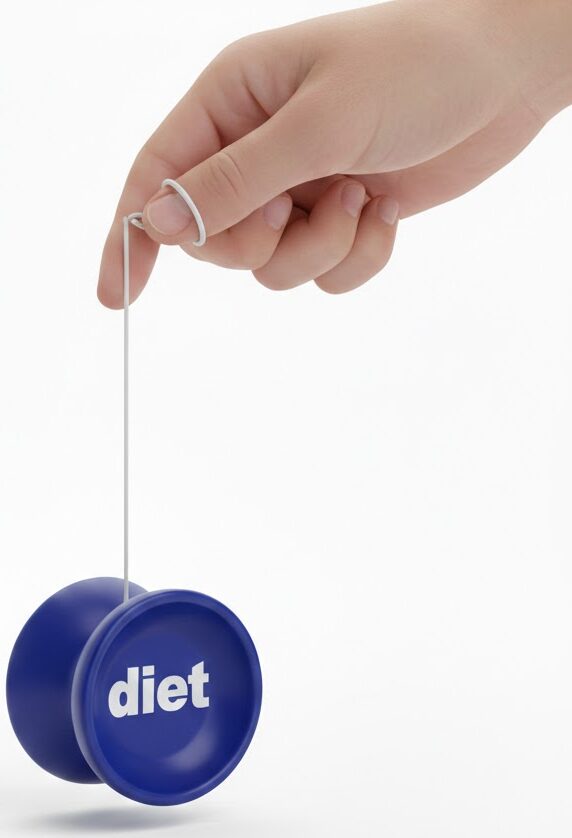 Equally important, redefining progress reframes setbacks so they do not trigger the Yo Yo Diet response. Instead of labeling deviations as failure, treat them as feedback. Ask what caused the disruption and how to adjust systems accordingly. This analytical approach removes shame and encourages problem-solving. Additionally, recognize that maintenance phases represent success, not stagnation. Holding weight steady while living normally demonstrates mastery. Therefore, you should schedule intentional maintenance breaks to practice sustainability. These pauses reduce burnout and reinforce trust. Over time, confidence grows as you prove you can maintain results. This mindset shift transforms the journey from a temporary project into a lifelong skill set. Consequently, you stop chasing quick fixes and start building resilience through informed, compassionate self-management.
Planning Enjoyment to Defeat the Yo Yo Diet
Planning enjoyment intentionally helps defeat the Yo Yo Diet by removing the sense of deprivation. You should identify favorite foods and incorporate them regularly in controlled portions. This strategy prevents cravings from building into binge episodes. Additionally, practice mindful eating by slowing down and eliminating distractions. When you fully experience flavor and texture, satisfaction increases with less food. Therefore, enjoyment becomes a tool rather than an obstacle. Schedule treats proactively, such as dessert on weekends, so indulgence feels planned, not impulsive. This predictability reduces guilt and anxiety. Importantly, balanced enjoyment supports consistency. When nothing feels forbidden, compliance improves. Over time, your preferences often shift naturally toward nutrient-dense foods without force. As a result, the plan feels livable, reducing the urge to abandon it altogether.
Furthermore, social enjoyment plays a critical role in avoiding the Yo Yo Diet cycle. You should practice navigating restaurants by previewing menus and choosing satisfying, balanced options. Share dishes or box half to manage portions without feeling restricted. Additionally, learn to decline food politely when not hungry, using confidence rather than excuses. These skills preserve autonomy. Importantly, one meal never defines progress. When you view eating as part of life rather than a test, stress decreases. Consequently, cortisol levels drop, supporting fat loss. Over time, repeated positive experiences rewire associations around food. You stop equating enjoyment with loss of control. Instead, you build trust in your ability to self-regulate. This trust forms the backbone of sustainable results and long-term dietary freedom.
Training for Long‑Term Health and Sustainability
Exercise should support life, not reinforce the Yo Yo Diet through punishment-based routines. You should select activities you enjoy, such as walking, lifting, cycling, or dancing. Enjoyment increases adherence and reduces burnout. Begin with three manageable sessions per week, focusing on full-body strength training. This approach preserves muscle mass and improves metabolic health. Additionally, incorporate daily movement like steps or mobility work. These low-intensity actions enhance recovery and consistency. Importantly, you should avoid using exercise to compensate for eating. That mindset creates unhealthy associations. Instead, treat movement as self-care and performance enhancement. Over time, strength gains and improved endurance reinforce motivation. As fitness improves, body composition follows naturally, supporting weight maintenance without extreme effort.
Moreover, recovery practices protect you from falling back into the Yo Yo Diet due to exhaustion. You should prioritize sleep by maintaining consistent bedtimes and limiting screen exposure at night. Quality sleep regulates appetite hormones and improves decision-making. Additionally, manage stress through breathing exercises, journaling, or light stretching. Chronic stress often drives overeating, so addressing it directly matters. Schedule rest days intentionally to prevent injury and mental fatigue. Importantly, recovery enhances performance more than constant intensity. When your body feels supported, adherence improves. Over time, balanced training builds confidence and resilience. You no longer associate health with suffering. Instead, you experience it as empowerment, making long-term maintenance realistic and rewarding rather than draining.
Long-Term Maintenance Without the Yo Yo Diet
 Long-term maintenance succeeds when you abandon the Yo Yo Diet mindset of constant pursuit. Instead, you should shift goals toward consistency and quality of life. Establish a personal weight range rather than a single number. This range accounts for natural fluctuations and reduces anxiety. Continue using the same habits that produced results, adjusting portions slightly as activity changes. Additionally, perform regular self-check-ins to catch drift early. These reviews should feel neutral and informative. Importantly, maintenance requires as much skill as weight loss. When you respect that phase, you stay engaged. Over time, routines become second nature. You stop thinking about dieting and start living. This transition marks true success, where health supports life rather than dominating it.
Finally, identity consolidation prevents relapse into the Yo Yo Diet during future challenges. You should consciously adopt the identity of someone who practices balance and self-regulation. This identity guides decisions automatically under stress. When disruptions occur, return to baseline habits without drama. Avoid “starting over” language, because nothing ended. Additionally, continue learning through books, coaching, or reflection to refine skills. Growth sustains engagement. Importantly, maintenance evolves as life changes, so flexibility remains essential. When you trust your systems, fear disappears. You know you can adjust without extremes. As a result, results persist not through force, but through competence. This confidence represents the final escape from cycling and the beginning of lasting stability.